

ESP32 C3 Super Mini Development Board Overview
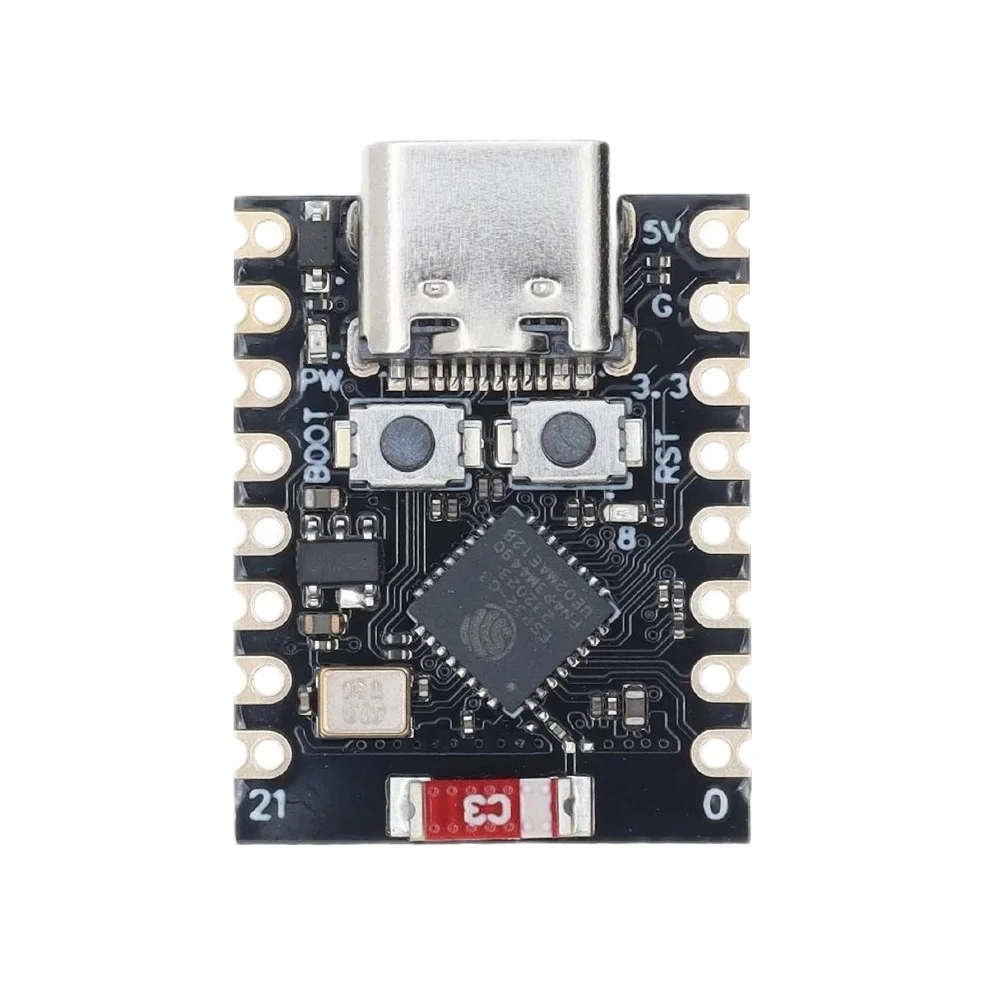
The ESP32-C3 Super Mini (HW-566AB) is an ultra-compact and powerful IoT development board based on the ESP32-C3 RISC-V microcontroller. Designed for space-constrained applications, it combines Wi-Fi and Bluetooth 5 (BLE) connectivity with low power consumption and modern USB-C programming.
This board is ideal for developers working on IoT devices, smart home systems, wearable electronics, and embedded projects where size and efficiency matter.
Key Features of ESP32 C3 Super Mini
- RISC-V 32-bit Processor: ESP32-C3 single-core CPU running up to 160MHz
- Built-in Wi-Fi and Bluetooth 5: Supports 2.4GHz Wi-Fi and BLE 5.0 for wireless applications
- Ultra-Compact Size: Approximately 22.5 × 18 mm, ideal for small devices
- USB Type-C Interface: Direct programming and power without external USB-to-serial adapter needed
- Low Power Consumption: Deep sleep current around 43µA, suitable for battery-powered projects
- Onboard LEDs: Power LED and programmable user LED (GPIO8)
- Integrated PCB Antenna: No external antenna required
Technical Specifications
- Microcontroller: ESP32-C3 (RISC-V architecture)
- Clock Speed: Up to 160 MHz
- Flash Memory: 4 MB
- SRAM: Approximately 400 KB
- Wireless Connectivity:
- Wi-Fi 802.11 b/g/n (2.4GHz)
- Bluetooth 5.0 LE
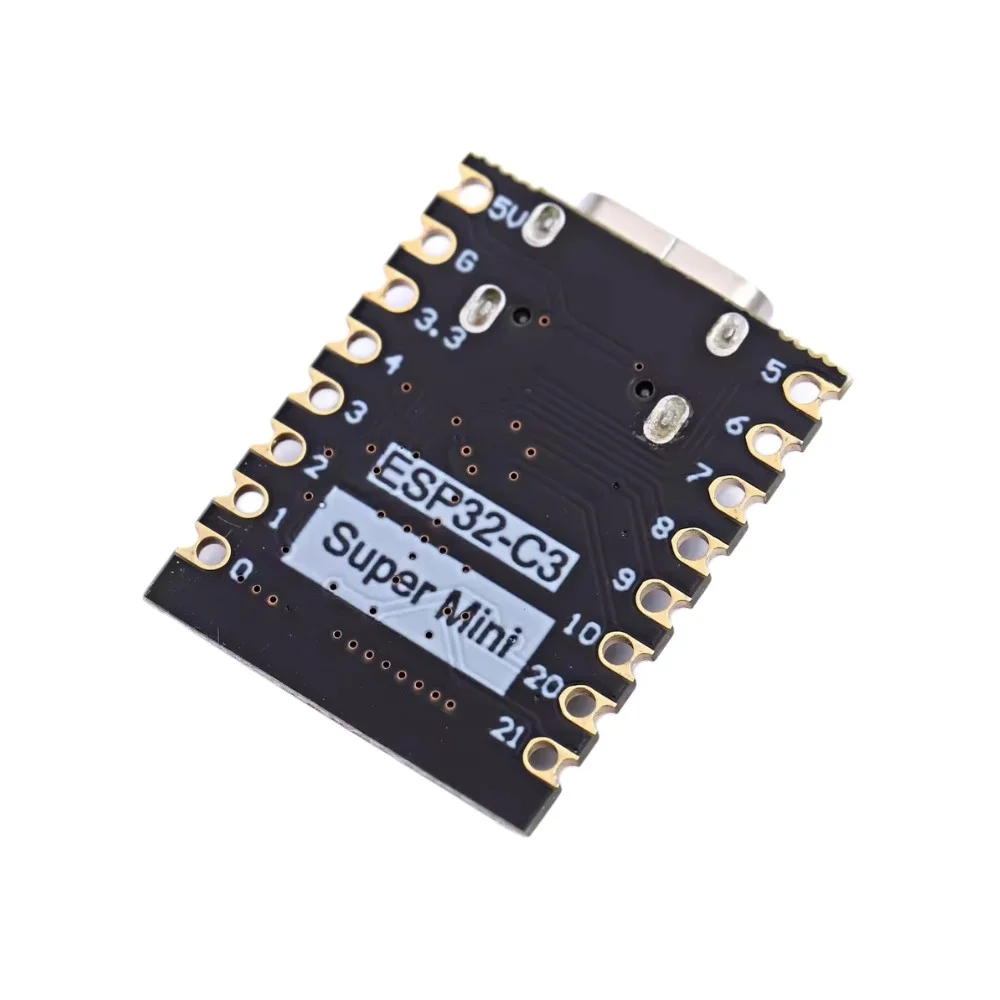
- GPIO Pins: Approximately 11 to 22 usable pins depending on mapping
- Analog Inputs: Up to 6 ADC channels
- PWM Channels: Approximately 11
- Interfaces: UART, SPI, I2C, PWM, ADC
- Operating Voltage: 3.3V logic
- Dimensions: Approximately 22.5mm × 18mm
Board Layout and Components
- USB-C Port: Provides power and programming capabilities
- BOOT Button: Allows you to enter flashing mode
- RESET Button: Restarts the board
- Onboard LEDs: Includes power indicator and user-controllable LED
- GPIO Headers: Direct connection points for sensors and modules
How the ESP32 C3 Super Mini Works
The board operates as a wireless microcontroller platform that enables seamless IoT connectivity:
- Executes firmware using Arduino IDE, ESP-IDF, or MicroPython
- Connects to Wi-Fi networks or communicates with BLE devices
- Reads sensor data and controls actuators through GPIO pins
- Communicates with cloud services or mobile applications
Its low power modes make it particularly suitable for battery-operated IoT systems requiring extended operational life.
Applications of ESP32 C3 Development Board
- IoT and smart home automation systems
- Wireless sensor nodes and environmental monitoring
- Wearable electronics and fitness trackers
- ESPHome and Home Assistant integration projects
- Data logging and remote monitoring solutions
- Compact embedded systems for space-limited applications
Advantages of ESP32 C3 Super Mini
- Extremely small form factor that fits in tight spaces
- Built-in wireless connectivity eliminates need for additional modules
- No external programmer required thanks to native USB support
- Low power consumption extends battery life in portable applications
- Cost-effective compared to larger ESP32 development boards
Usage Tips and Best Practices
- Select “ESP32C3 Dev Module” in Arduino IDE for programming
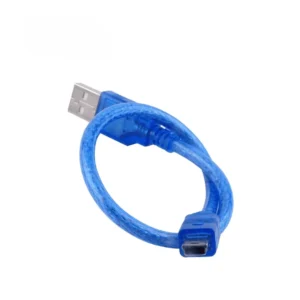
- Use a data-capable USB cable (not power-only) for firmware flashing
- Avoid overloading GPIO pins as they use 3.3V logic only
- For stable Wi-Fi performance, ensure clear antenna area with no metal obstructions nearby
- Use proper power supply (5V USB or regulated 3.3V) for reliable operation
Note: Images are for illustration purposes only.


Reviews
There are no reviews yet