
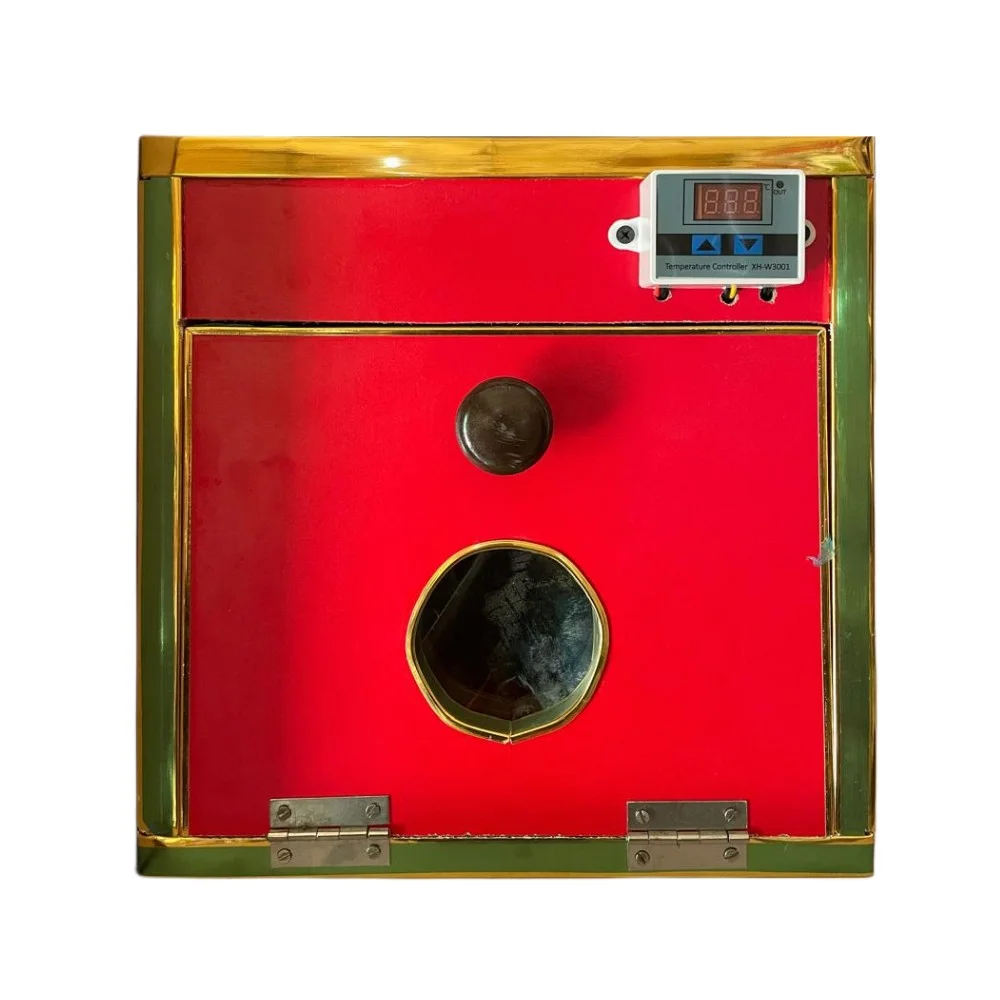
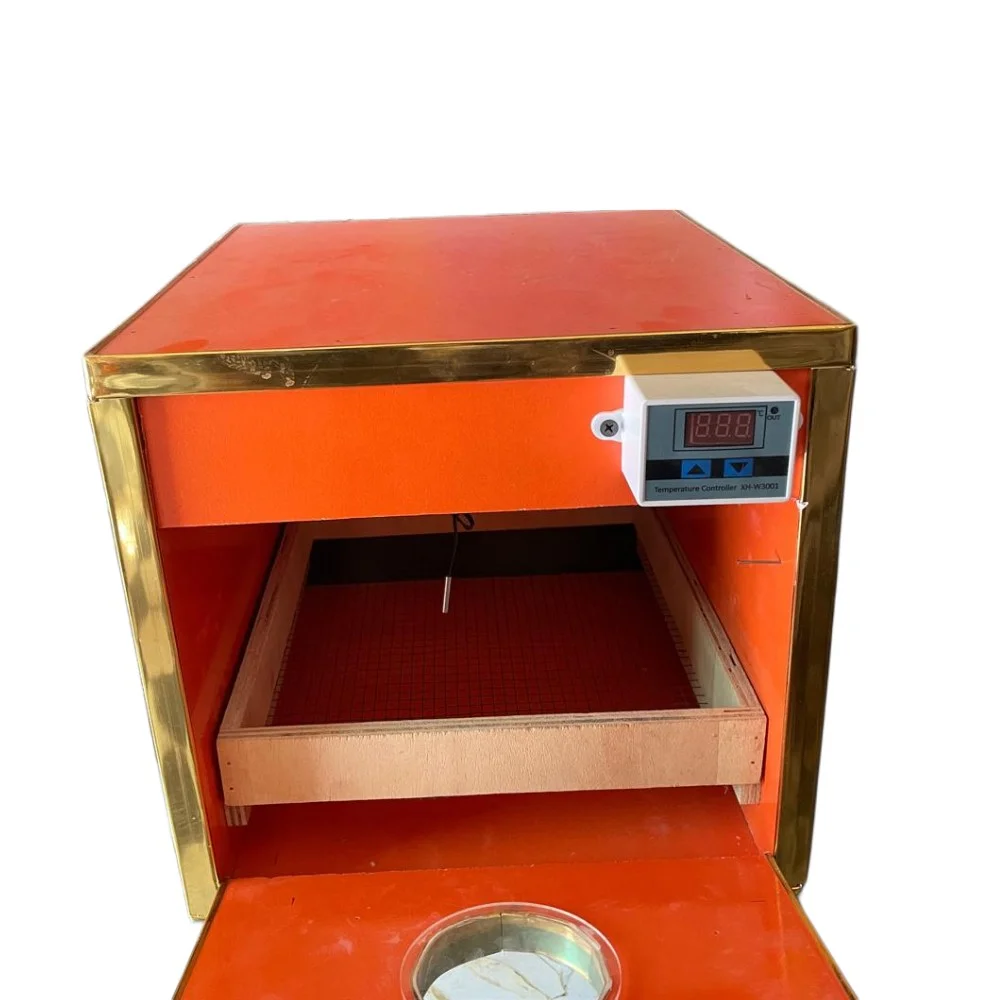

The 25 Eggs Manual Incubator 220VAC is a compact and efficient egg incubation system designed for hatching chicken, duck, quail, pigeon, and other poultry eggs. Featuring a 220V AC power supply, transparent observation cover, and precise temperature control, this incubator provides a stable environment for successful egg hatching.
Unlike automatic incubators, this model requires manual egg turning, allowing users to actively manage the incubation process while maintaining optimal conditions for embryo development. Its simple operation and affordable design make it ideal for home poultry farming, educational projects, and small-scale hatcheries.
Key Features
- 25 Egg Capacity: Suitable for small-scale hatching operations
- Manual Egg Turning: User-controlled egg rotation during incubation
- 220VAC Operation: Direct connection to standard household power supply
- Transparent Observation Cover: Easily monitor the incubation process without opening the lid
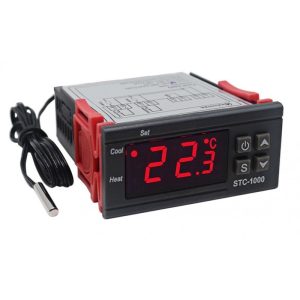
- Digital Temperature Display: Convenient monitoring of incubation temperature
- Efficient Heating System: Provides stable and uniform heat distribution
- Compact Design: Space-saving and easy to place in homes or farms
- User-Friendly Operation: Suitable for beginners and experienced poultry keepers
Technical Specifications
- Product Type: Egg Incubator
- Egg Capacity: Up to 25 Chicken Eggs
- Power Supply: 220VAC, 50/60Hz
- Egg Turning: Manual
- Temperature Control: Automatic temperature regulation
- Display Type: Digital LED Display
- Incubation Period:
- Chicken Eggs: Approximately 21 Days
- Duck Eggs: Approximately 28 Days
- Quail Eggs: Approximately 16-18 Days
- Housing Material: Durable ABS Plastic
- Observation Window: Transparent Top Cover
- Application: Poultry and Bird Egg Hatching
How It Works
The incubator creates a controlled environment similar to natural brooding conditions:
- The heating system maintains the required incubation temperature.
- Eggs are placed evenly inside the incubator tray.
- The user manually turns the eggs several times daily to ensure proper embryo development.
- Consistent temperature and ventilation support healthy growth throughout the incubation cycle.
- Chicks begin hatching near the end of the incubation period.
Applications and Uses
- Chicken egg hatching
- Duck egg incubation
- Quail egg hatching
- Pigeon egg incubation
- Small poultry farms
- Educational and science projects
- Home-based hatcheries
Advantages of Manual Egg Incubation
- Affordable and easy to operate
- Suitable for beginners
- Compact and portable design
- Stable incubation environment
- Low power consumption
- Easy observation of egg development
Usage Tips for Best Results
- Maintain the recommended incubation temperature for the specific bird species.
- Turn eggs manually at least 3-5 times daily during the incubation period.
- Avoid opening the incubator frequently to prevent temperature fluctuations.
- Place the incubator in a clean, dry, and draft-free location.
- Stop turning eggs during the final days before hatching.
- Use fertilized eggs for successful incubation.
Note: Images are for Illustration Purposes Only.



Reviews
There are no reviews yet