
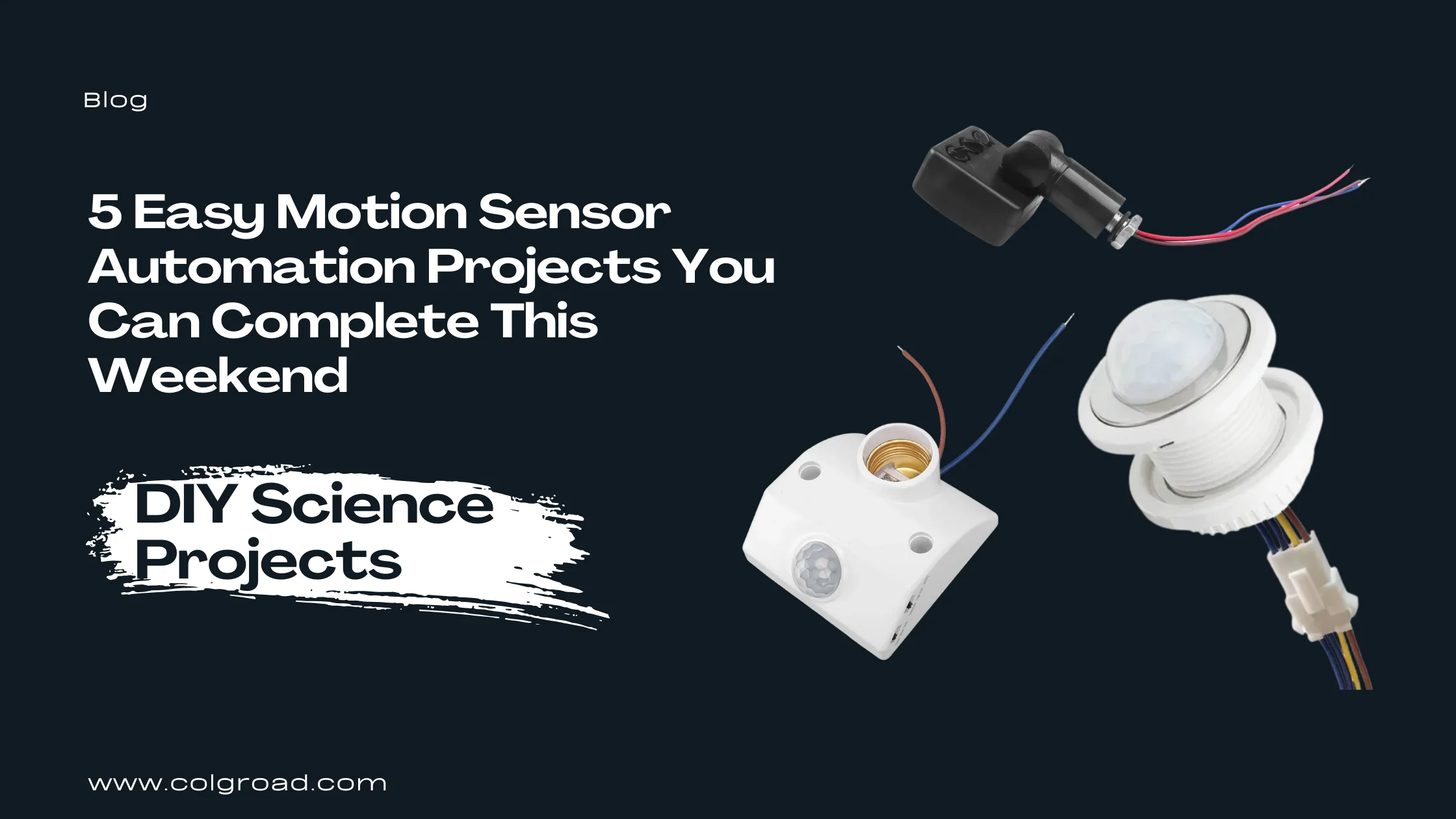
Home automation does not have to be expensive or complicated. With the right components and a few hours of your time, you can transform ordinary spaces into smart, energy-efficient environments. This guide walks you through five practical automation projects perfect for beginners and experienced DIY enthusiasts alike.
Why Start with Motion Sensor Automation?
Motion sensors represent the easiest entry point into home automation. Unlike complex smart home systems that require apps, internet connectivity, and technical setup, motion sensor devices work independently right out of the box. They connect directly to your existing 220V electrical system, making them ideal for Pakistani homes and offices.
The benefits extend beyond convenience. Automated lighting reduces electricity consumption by ensuring lights only operate when someone is present. This translates to measurable savings on your monthly bills while also extending the lifespan of your bulbs.
Project 1: Hands-Free Staircase Lighting
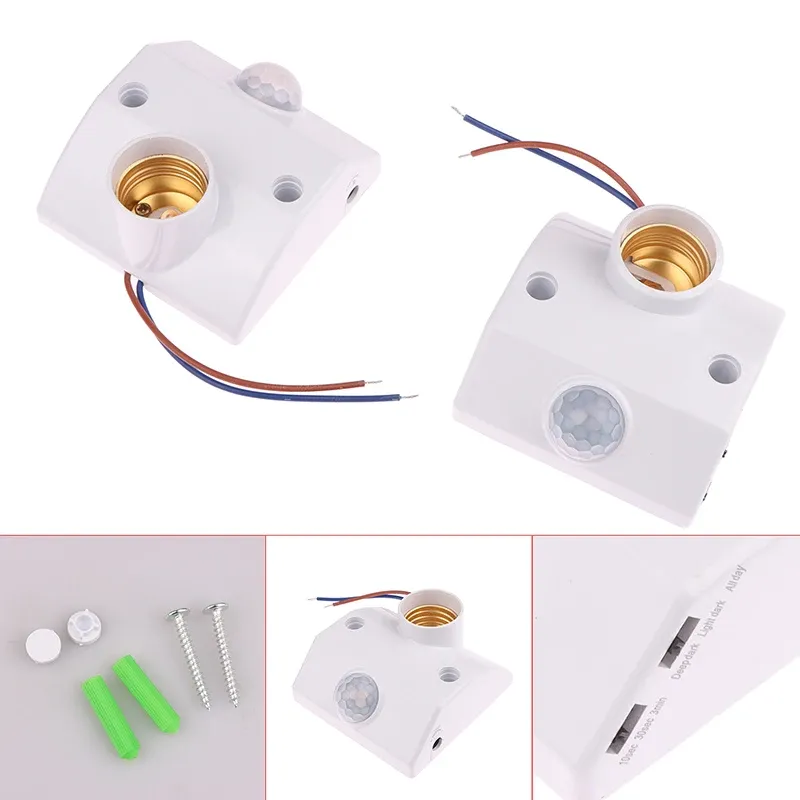
Staircases present a common challenge: you need light to climb safely, but switches are often positioned inconveniently at the top or bottom. A motion sensor holder solves this problem elegantly by activating the light automatically when you approach.
How It Works
The sensor detects body heat through passive infrared (PIR) technology. When you enter the detection zone, the circuit completes and your bulb turns on. After a preset delay with no motion detected, the light switches off automatically.
An E27 bulb holder with built-in motion sensor, any standard E27 bulb (LED, CFL, or incandescent), and basic tools for installation. No rewiring required since the sensor replaces your existing bulb holder.
Installation Steps
Turn off the circuit breaker for safety. Remove your existing bulb holder or bulb. Screw the motion sensor holder into the socket. Insert your preferred bulb into the holder. Restore power and test by walking past the sensor.
Project 2: Smart Washroom Lighting
Washrooms benefit significantly from automated lighting. Hands-free operation promotes better hygiene since you never need to touch switches with wet hands. The automation also ensures lights turn off if someone forgets, preventing unnecessary power consumption.
Choosing the Right Sensor Type
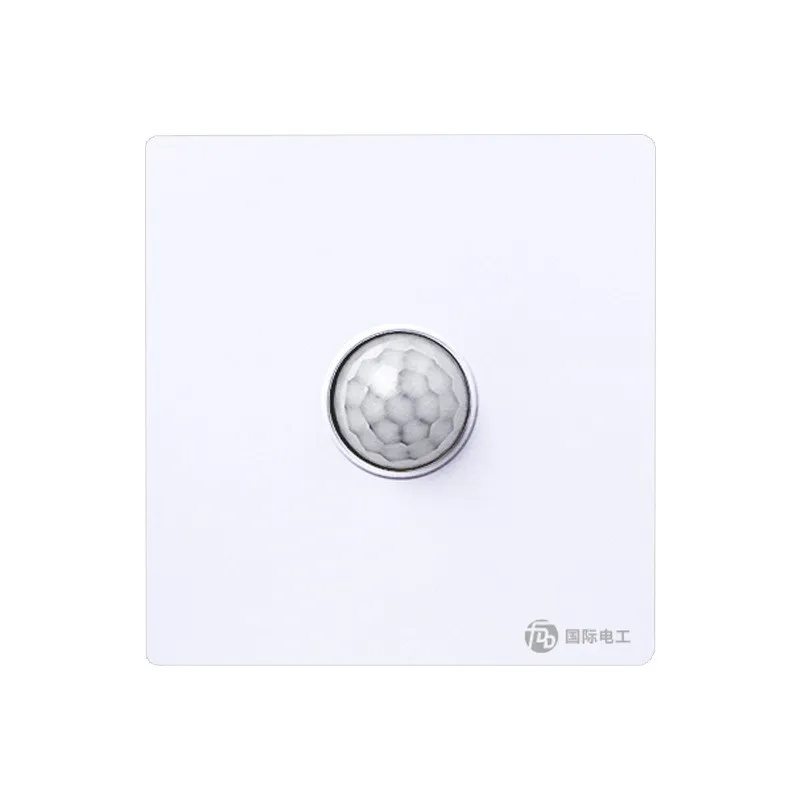
For washrooms, a wall-mounted panel sensor works best. It replaces your existing switch plate, maintaining a clean aesthetic while adding motion detection capability. The Type 86 form factor fits standard Pakistani switch boxes.
Installation Considerations
Mount the sensor at a height of 1.2 to 1.5 meters for optimal detection. Avoid pointing the sensor directly at heat sources like geysers or radiators, as these can trigger false activations. The sensor connects to your existing wiring in place of the manual switch.
Project 3: Corridor and Hallway Automation
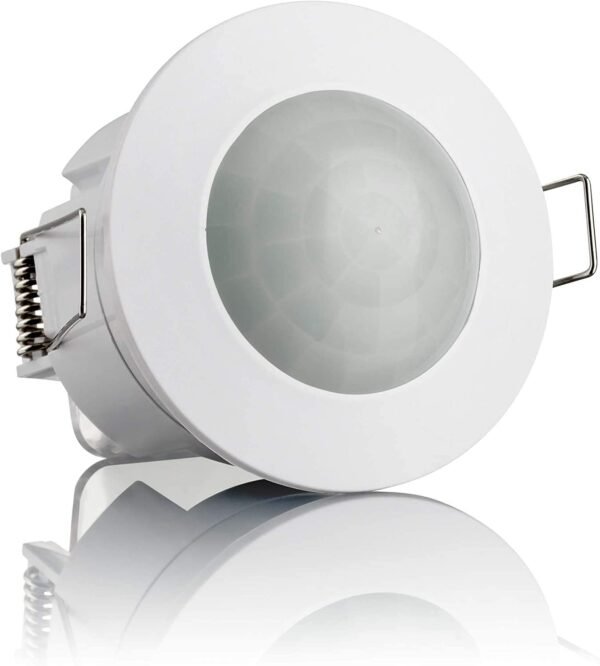
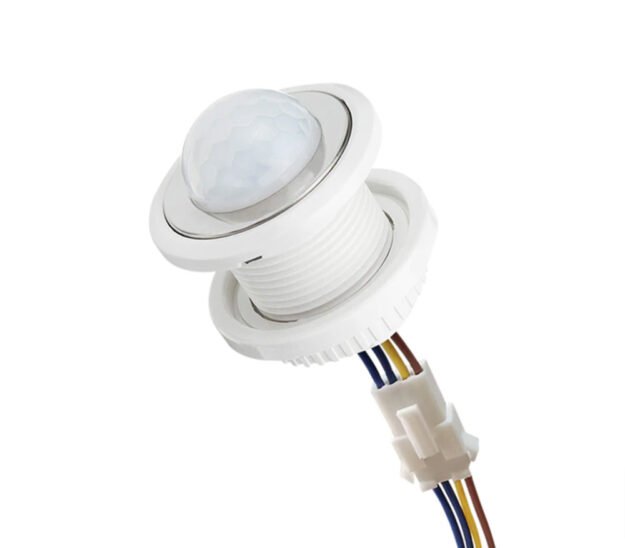
Long corridors and hallways often remain lit for extended periods even when unoccupied. A ceiling-mounted sensor with 360-degree detection coverage ensures comprehensive monitoring of the entire space, activating lights only when someone walks through.
Why Ceiling Mounting Works Best
Ceiling sensors eliminate blind spots that wall-mounted units might miss. With detection ranges up to 7 meters and adjustable sensitivity, a single sensor can cover most residential corridors effectively.
Professional Installation Recommended
Ceiling sensor installation involves working with concealed wiring. While technically straightforward, the process requires ladder work and familiarity with false ceiling structures. Consider hiring an electrician if you are uncomfortable working at height or with concealed wiring.
Project 4: Outdoor Security Lighting
Outdoor areas like driveways, gates, and parking spaces benefit from motion-activated security lighting. The light serves as both a convenience feature and a deterrent, illuminating the area when someone approaches while remaining off during quiet periods.
Day/Night Functionality Explained
Advanced outdoor sensors include ambient light detection. This prevents the motion sensor from activating during daylight hours when additional lighting is unnecessary. You can configure the sensor to work all day, only when dark, or only in deep darkness.
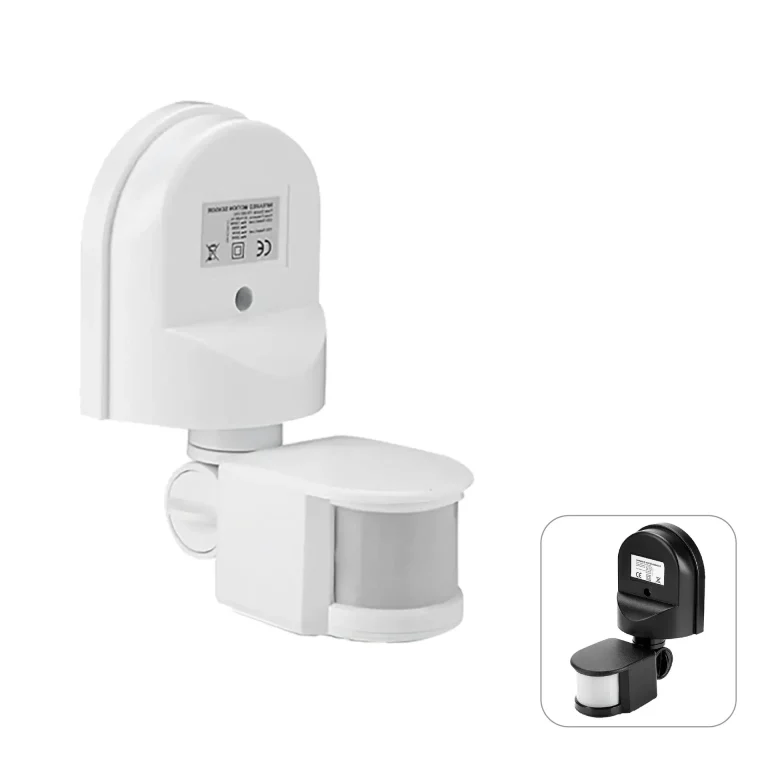
For heavy-duty outdoor applications requiring higher power capacity, consider the following alternative:

Weatherproofing Tips
While these sensors handle normal weather conditions, position them under eaves or overhangs where possible. Avoid direct exposure to rain and ensure all wire connections are properly insulated and protected from moisture.
Project 5: Garage and Workshop Automation
Garages and workshops present unique challenges. You often enter carrying tools or with dirty hands, making light switches inconvenient. Motion sensors with beam detection work particularly well in these environments, detecting movement across specific pathways.
Beam Sensing Technology
Unlike standard PIR sensors that detect heat in a cone-shaped area, beam sensors create a focused detection line. This proves useful in garages where you want the light to activate when entering through the door but not when simply moving around inside.
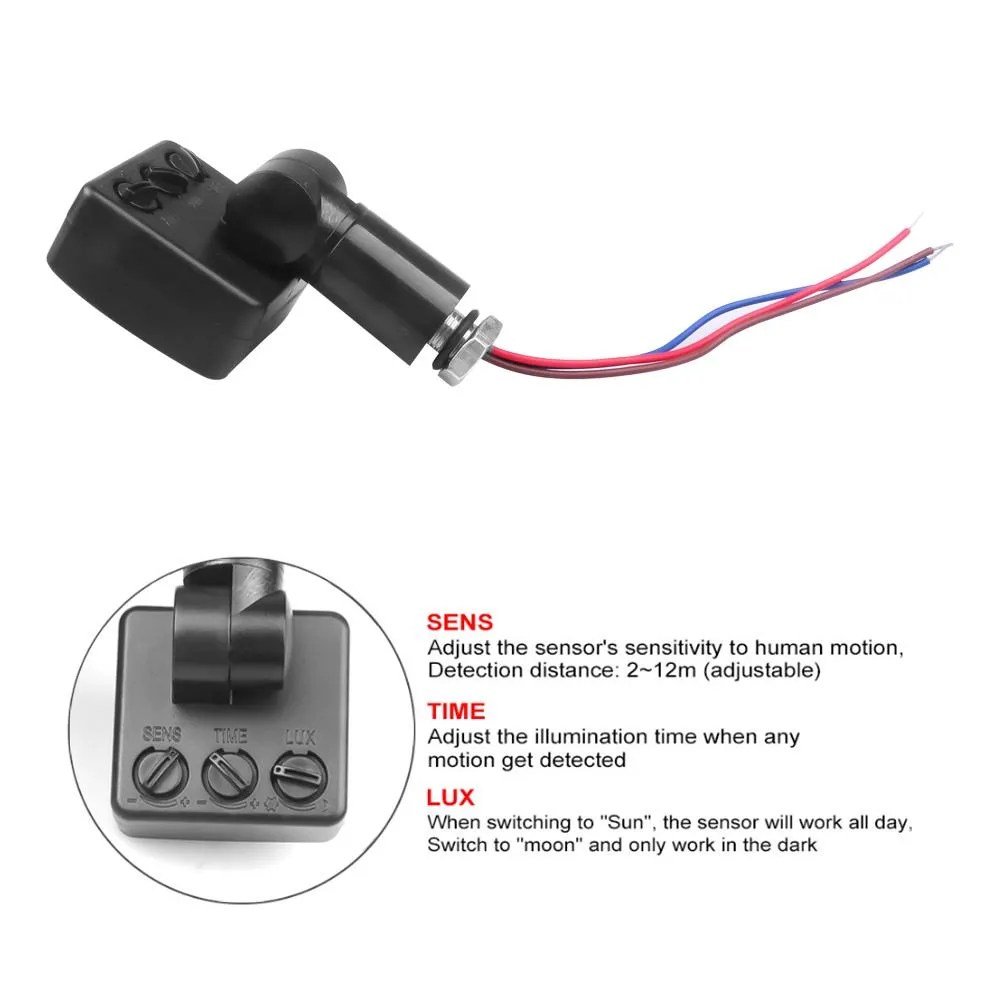
For a versatile solution that combines motion detection with flexible mode settings:
Bonus: Protecting Your Automated Setup
Power fluctuations in Pakistan can damage sensitive electronic components. While motion sensors are relatively resilient, protecting your overall electrical setup ensures longevity for all connected devices.

Choosing the Right Sensor: Quick Comparison
| Location | Recommended Type | Detection Range | Best For |
|---|---|---|---|
| Staircase | E27 Holder Sensor | 3 to 5 meters | Easy retrofit, no rewiring |
| Washroom | Type 86 Panel Switch | 4 to 6 meters | Clean aesthetics, hygiene |
| Corridor | Ceiling Mounted | Up to 7 meters | 360-degree coverage |
| Outdoor/Gate | Adjustable PIR | 4 to 6 meters | Weather resistance, security |
| Garage | Beam Sensor | Focused beam | Entry point detection |
Always turn off the circuit breaker before working with electrical connections. If you are uncertain about any wiring, consult a qualified electrician. Test each installation thoroughly before leaving the area. Keep the product manual accessible for future reference and troubleshooting.
Getting Started with Your First Project
Begin with the project that addresses your most immediate need. For most people, staircase or washroom automation provides the quickest return on investment in terms of convenience and energy savings. As you gain confidence, expand to more complex installations like ceiling sensors and outdoor units.
Each sensor includes detailed wiring diagrams and installation instructions. The 220V compatibility means these products work directly with standard Pakistani electrical systems without adapters or converters.
Browse the complete range of automation solutions to find components that match your specific requirements:
Explore More Automation SolutionsReady to Start Your Automation Project?
Order directly from our website or contact us for personalized recommendations based on your space and requirements.
WhatsApp: 0323 0235000